
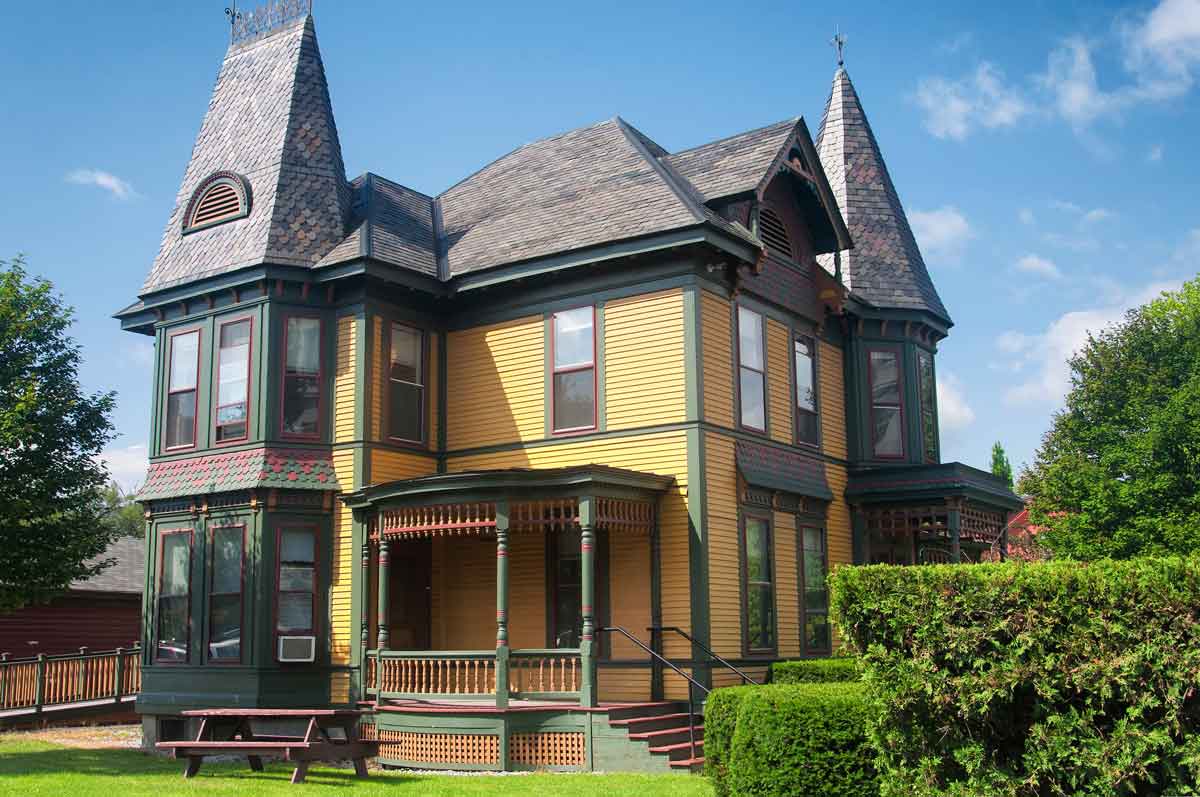
Historic homes are full of charm, but they also tend to come with some quirks. When you’re moving into a historic home, it’s important to be aware of certain elements to streamline the moving process and avoid damage to the building.
Caring for Hardwood Floors
Many historic homes feature original hardwood floors. While typically protected by varnish or oils, hardwood floors are still susceptible to scratches, gouges, and blemishes that can be difficult or impossible to remove.
When you’re moving into a historic home, it’s important to go in with the knowledge and materials to safely transport and arrange furniture, boxes, and other items. You’ll need to address what to do before, during, and after the move so your floors stay in good condition.
- Clean floors to remove dirt and debris before move-in, as even small bits of debris can cause scratches
- Ensure everyone is wearing appropriate footwear: heels and extremely hard soles can dent or gouge hardwood floors
- Cover high-traffic areas like entryways and hallways to prevent floor damage
- Lift and carry items rather than sliding them
- Use furniture sliders to fine-tune placement once large items are in place
- Avoid bringing in extra dirt, mud, or water to prevent scratches and water damage
- Clean up any messes as soon as possible
A little forethought and attention can make a huge difference when it comes to protecting your floors. While accidents can happen, you can avoid most damage through a few simple adjustments.
Prepare for Tight Staircases
In general, historic homes have narrower, steeper staircases than most modern constructions. In the past, tight staircases helped maximize available square footage and made it easier to conserve heat in a time before central HVAC units.
Today, however, managing tight staircases can be a challenge, especially during a move. You may find it difficult—or even impossible, in rare cases—to transport large items to upper floors.
Before you start trying to transport items up a narrow staircase, it’s helpful to measure the space, including:
- Staircase width
- Corner clearance
- Ceiling height
You should also measure the items you want to move, comparing those dimensions to the dimensions of the space. If the numbers are too tight, you might need to develop a special plan to move certain things safely.
One useful strategy is to take larger items apart before trying to move them. If it’s important to have an item upstairs, taking it apart and reassembling it may be the only way to get it there.
If you’re not sure how to handle a certain situation, reaching out to professional movers might be the best option. They’ll have the expertise and equipment to get things upstairs as safely as possible.
Preserve Antique Features
Much of the charm and beauty of a historic home is found in its antique features. This could include anything from chandeliers to decorative staircase accents to hand-carved woodworking.
Many of the materials and knowledge used to create antique features are no longer available. Or, if they are, they’re prohibitively expensive. When moving into a historic house, therefore, it’s extremely important to take extra care not to break or damage these features.
Being mindful as you move is one part of the equation, but it’s equally important to consider how to protect or cushion antique elements and/or the items you’re moving. You can:
- Use moving blankets or wrap to cover items as you move them through the home
- Cover antique features with cardboard or another protective material
- Choose routes away from delicate or irreplaceable features to avoid the possibility of damage
Taking the time to protect your home as you move in will ensure that you can enjoy it fully once the move is done. As is often the case, an ounce of prevention is worth a pound of cure.
When you’re moving into a historic home in Burlington, Montpellier, or the area, call Chase Moving and Storage. Our team is well-versed in caring for historic houses during the moving process, and we’re ready to put our 100+ years of experience to work to protect your home. As a local, family-owned company, we’re committed to providing individualized care to all our clients, and we’ll work with you every step of the way to make your move as smooth as possible. Chase Moving and Storage—The Most Trusted Movers Since 1908.